By Cognito Supply Inc. | Pottery Equipment Rentals in Pennsylvania
So, you’ve watched a mesmerizing pottery video online, seen someone pull a perfect cylinder on a wheel, and thought, “I want to do that.” Welcome to the club. Pottery is one of the oldest, most therapeutic, and deeply satisfying art forms on the planet — and the good news is, anyone can start.
But before you dive hands-first into a mound of clay, there are a few things you should know. This guide will walk you through the basics, so you can start your pottery journey with confidence.
What Exactly Is Pottery?
At its simplest, pottery is the art of shaping clay into functional or decorative objects and hardening them with heat. That’s it. Humans have been doing it for over 25,000 years — long before we invented the wheel, the alphabet, or the internet.
There are three main types of pottery:
- Earthenware: Fired at lower temperatures (around Cone 06–01). Think terracotta pots and rustic, warm-toned pieces. It’s porous unless glazed.
- Stoneware: Fired at mid-to-high temperatures (Cone 6–10). This is the workhorse of functional pottery — your mugs, bowls, and dinnerware. It’s durable and watertight.
- Porcelain: Fired at high temperatures (Cone 10+). Known for its translucency, whiteness, and elegance. It’s also the most unforgiving clay to work with, so save it for later.
The Four Main Techniques
You don’t need a pottery wheel to make pottery. Here are the four primary forming methods:
- Pinch Pots: You literally pinch a ball of clay into shape with your fingers. It’s the oldest and simplest technique — perfect for beginners.
- Coil Building: Roll out “snakes” of clay and stack them in layers to build walls. This is how ancient civilizations made massive storage vessels.
- Slab Building: Roll clay flat (like a pie crust) and cut/assemble it into shapes. Great for plates, boxes, and architectural forms.
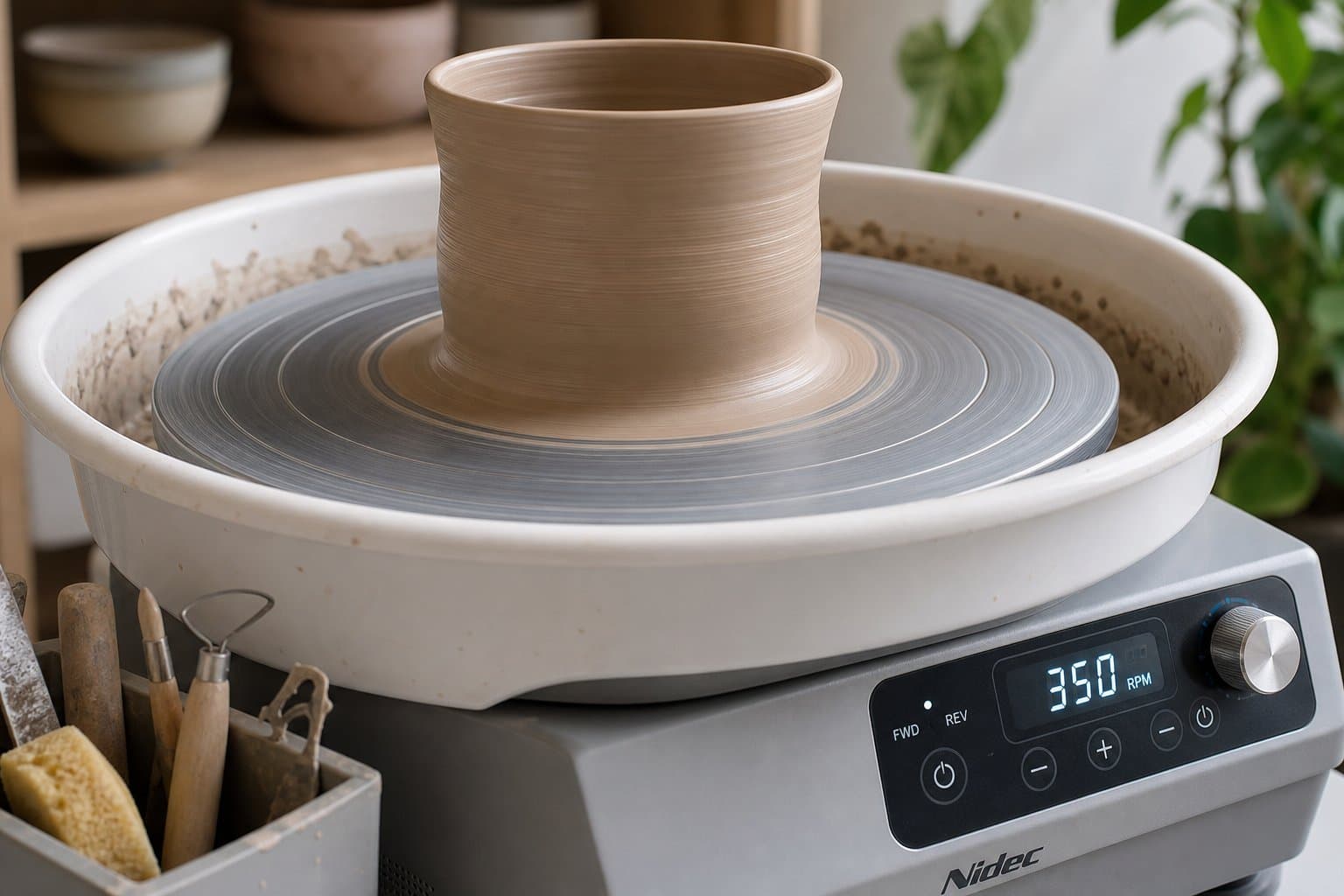
- Wheel Throwing: The iconic spinning-wheel technique. It’s the most visually dramatic, but it requires the most practice. Expect your first few attempts to wobble, collapse, and fly off the wheel — and that’s completely normal.
What Equipment Do You Need?
Here’s where it gets real. A basic pottery setup requires:
| Equipment | What It Does | Approximate Cost to Buy |
|---|---|---|
| Pottery Wheel | Spins clay for wheel throwing | $400–$1,500+ |
| Kiln | Fires clay to harden it permanently | $800–$4,000+ |
| Basic Tool Kit | Trimming tools, ribs, sponges, wire cutters | $15–$40 |
| Clay (25 lbs) | Your raw material | $15–$30 |
| Kiln Shelves & Posts | Support ware inside the kiln | $30–$100+ |
| Glazes | Color and seal your finished pieces | $10–$25/pint |
As you can see, buying a full setup is a serious investment — often $1,500 to $5,000+ before you’ve even made your first mug. That’s exactly why renting equipment makes so much sense for beginners (and even experienced potters who don’t want to maintain a kiln in their garage).
Common Beginner Mistakes (and How to Avoid Them)
- Using too much water on the wheel. Water is a lubricant, not a tool. Too much will weaken your clay walls and cause collapse. Use a damp sponge, not a hose.
- Skipping wedging. Wedging (kneading) your clay removes air bubbles. Air bubbles in a kiln = explosions. Literally.
- Rushing to the wheel. Start with pinch pots and coils. Learn how clay feels before you try to control it on a spinning wheel.
- Not letting pieces dry evenly. If one side dries faster than the other, your pot will crack or warp. Cover your work loosely with plastic and let it dry slowly.
- Ignoring dust safety. Clay dust contains silica, which can damage your lungs permanently. Always clean up wet — never sweep dry clay dust.
Is Pottery Right for You?
If you enjoy working with your hands, have even a sliver of patience, and don’t mind getting dirty, yes. Pottery is meditative, physical, creative, and endlessly surprising. No two pieces are ever the same, and there’s a certain magic in pulling a usable bowl out of a lump of earth.
You don’t need talent. You don’t need experience. You just need clay, a willingness to fail, and access to the right equipment.
Ready to Get Started?
Visit Cognito Supply Inc. to browse our rental equipment and take the first step into your pottery journey — no $3,000 kiln purchase required.